JellyFil Official Website › Blog › Reading a Proprietary Blend
How to Read a Proprietary Blend on a Supplement Label
“Proprietary blend, 82 mg” is legal, common and almost entirely uninformative. Here is what that line does and does not tell you, plus the three checks that turn it into something you can judge — run, at the end, on this product.
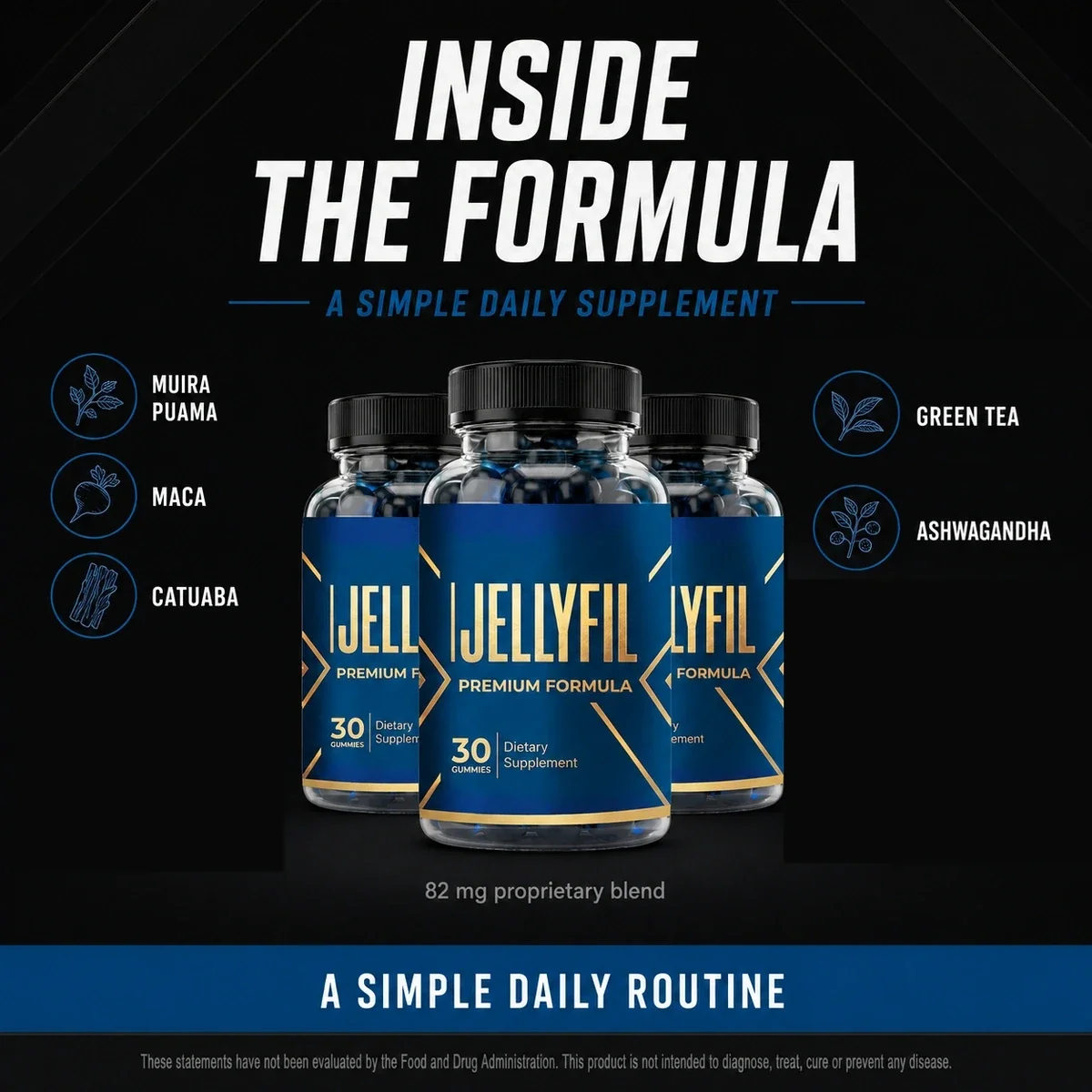
- A blend must list its ingredients in descending order by weight and give a total. Individual amounts are optional.
- So the first name is the largest share — but you are never told by how much.
- The useful test is the total against the trial dose of a single ingredient.
- On JellyFil that total is 82 mg for nine botanicals, while the trials behind them used hundreds of milligrams each. We print that comparison rather than hide it.
What a proprietary blend actually is
A proprietary blend is a group of ingredients declared together under one name and one total weight. United States labeling rules permit it: the manufacturer must name what is in the blend and give the combined weight, but it does not have to publish how much of each.
That is not a loophole anyone is sneaking through. It is the rule as written, and the large majority of supplements in this category use it.
What it is not
It is not evidence of anything hidden or dangerous, and it is not by itself the mark of a bad product. It is simply a label you cannot verify from the outside — which matters, because verifying is exactly what a careful buyer is trying to do.
The one piece of real information
Ingredients inside a blend are listed in descending order by weight. That single rule is the only quantitative information a blend gives you, and it is worth using.
If a botanical you care about is listed last out of nine, it is the smallest share of the total. On an 82 mg blend, the ninth ingredient could be a fraction of a milligram. Read the order, not just the names.
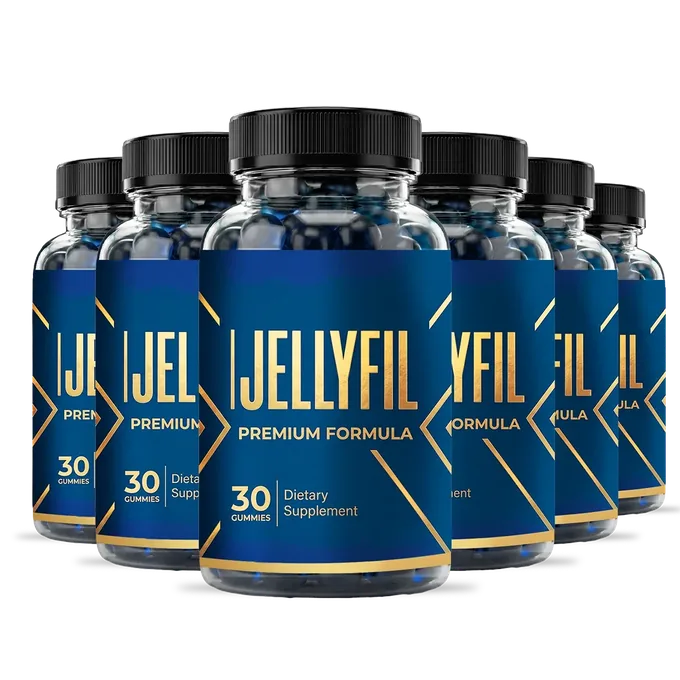
A label we print in full.
Every ingredient on this panel is named, ordered, and set beside the dose its own research used — including the ones that fall short of it. Judge us on that.
$294 — six bottles at $49 each
Order On The Official WebsiteFree US shipping · 60-day money-back guarantee · no subscription
Three checks that make it judgeable
- Find the total. One number, usually in milligrams, at the end of the blend line. This is your denominator for everything else.
- Look up one trial dose. Pick the headline ingredient and find what the human studies actually used. If the whole blend weighs less than one ingredient's studied dose, no ingredient in it can be at that dose.
- Read the order. Anything below the midpoint of a long list is a minor share by definition.
| What the label says | What it tells you | What it does not |
|---|---|---|
| Blend total in mg | The ceiling for every ingredient in it | Any individual amount |
| Ingredient order | Relative rank by weight | The size of the gaps |
| “Standardized to X%” | Extract strength — genuinely useful | How much extract is present |
| A named ingredient, nothing else | It is present | Whether it is a meaningful amount |
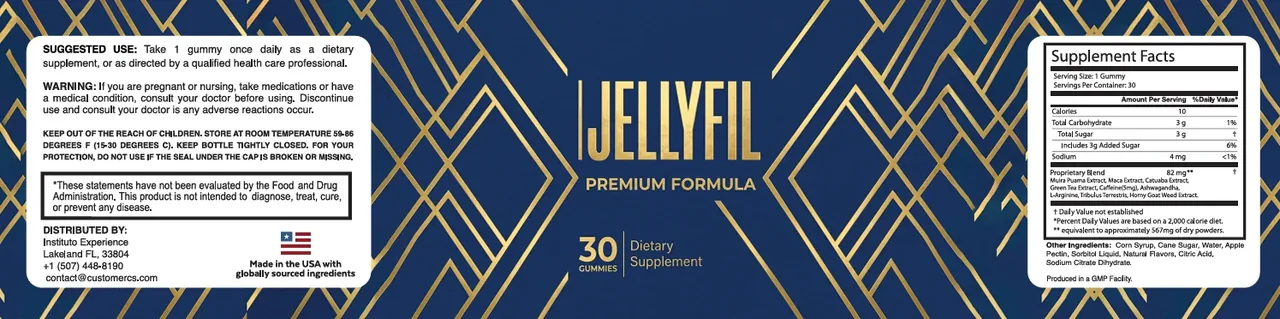
A worked example: this product
We will run the three checks on JellyFil rather than on a competitor, because a label-literacy article that only audits other people's products is not worth much.
- The total: 82 mg across nine botanicals, plus 5 mg of caffeine declared separately.
- A trial dose: the ashwagandha meta-analysis pooled trials using roughly 300–600 mg a day of a single extract, and the maca trial used grams. Either figure exceeds this entire blend.
- The order: muira puama leads the list; horny goat weed sits last of the nine.
The conclusion, stated plainly: no botanical in this blend is present at the dose its research used, and the ones near the end of the list are present in very small amounts. That is what an 82 mg blend means. It is why the ingredients page prints each trial dose alongside each name instead of leaving you to look it up, and why the honest summary of this product on the reviews page is “mild, if anything” rather than a promise.
Four other things a label can do legally
The blend is the best-known device, but it is not the only one worth recognising. None of these is illegal and none of them means a product is bad — they simply make a panel look stronger than it is, and they are easy to spot once named.
Fairy dusting
Including a fashionable ingredient in an amount too small to do anything, purely so the name can appear on the front of the bottle. The blend total is what exposes it: if twelve ingredients share 50 mg, most of them are decoration.
Borrowed evidence
Citing a trial that used 500 mg of an extract on a product that contains a fraction of that. The study is real, the ingredient is real, and the connection is not. This is the most common misuse of a genuine citation in the category, and it is why every entry on our ingredients page prints the trial dose next to the name.
Counting the serving, not the capsule
“Serving size: 3 capsules” at the top of a panel changes every number below it. A formula that looks three times stronger than a rival may simply be asking you to take three times as much. Always check the serving size before comparing two labels.
Proprietary names for ordinary ingredients
A trademarked blend name is a brand, not a specification. Some trademarked extracts genuinely are standardised and studied, which is useful; many are ordinary material with a name attached. The test is the same as always — is there a standardisation figure, and is there a dose?
A checklist you can use in a shop
Thirty seconds with a bottle in your hand, in order:
- Serving size first. Everything else is meaningless without it.
- Find the blend line and its total. That number is the ceiling.
- Count the names inside it. Total divided by names is the generous average.
- Read the order. The last two or three are trace amounts.
- Look for “standardised to”. Its presence is a good sign; its absence is not damning.
- Check what is outside the blend. Anything declared on its own line has a real, checkable amount — that is the part of the label you can trust most.
- Then read the front of the bottle, and notice how much of it the panel actually supports.
The FDA's questions and answers on dietary supplements is worth ten minutes if you buy supplements regularly; it explains what the category is obliged to do and what it is not. Our own seven-check version, written for this category specifically, is on the choosing a men’s supplement page.
Why manufacturers use them
- To protect a formula. The stated reason, and a real one — exact ratios are the work.
- To allow supply flexibility. Ratios can shift between batches without a label change.
- To list impressively. Nine names read better than three, and a blend lets a manufacturer include a name without committing to an amount. This is the reason worth being skeptical about.
The FDA's questions and answers on dietary supplements sets out how the category is regulated, and NCCIH's guidance is the best neutral primer on reading botanical labels generally. If you want to check the specific bottle you were sent, the batch verification page explains what a certificate of analysis can and cannot confirm.
What a genuinely good label looks like
It is easier to criticise a panel than to describe a better one, so here is the standard we think is fair — knowing that this product does not meet all of it, which is the point of printing it.
| What to look for | Why it matters | JellyFil |
|---|---|---|
| Every ingredient with its own amount | The only way to compare a product with the research | No — nine share an 82 mg blend |
| Standardisation figures on extracts | Tells you the strength, not just the plant | No |
| Serving size stated plainly | Makes every other number meaningful | Yes — one gummy |
| Stimulants declared separately | You can add them up across your day | Yes — 5 mg caffeine, on its own line |
| A batch or lot code you can check | Ties the bottle in your hand to a record | Yes — JF-26/E-2219 |
| Contact details that reach a person | The difference between a brand and a landing page | Yes — phone and email |
Three yes, two no, one qualified. We would rather publish that table than a page explaining why the blend is actually a strength. If full per-ingredient disclosure is your bar — and it is a reasonable bar — then almost nothing in this category clears it, including this product, and a single-ingredient capsule at a studied dose is the better buy.
The one thing a blend can never tell you
Whether the amount you are taking is the amount that was studied. Everything else on a label can be worked around with arithmetic and a little scepticism; that cannot. Knowing it is the difference between buying with open eyes and buying on a number you could not verify.
References
- Gonzales GF, Cordova A, Vega K, et al. Effect of Lepidium meyenii (MACA) on sexual desire and its absent relationship with serum testosterone levels in adult healthy men. Andrologia. 2002. https://pubmed.ncbi.nlm.nih.gov/12472620/
- Effects of Ashwagandha (Withania somnifera) on stress and anxiety: a systematic review and meta-analysis. 2024. https://pubmed.ncbi.nlm.nih.gov/39348746/
- National Center for Complementary and Integrative Health. Dietary and herbal supplements. https://www.nccih.nih.gov/health/dietary-and-herbal-supplements
- U.S. Food and Drug Administration. Questions and answers on dietary supplements. https://www.fda.gov/food/information-consumers-using-dietary-supplements/questions-and-answers-dietary-supplements
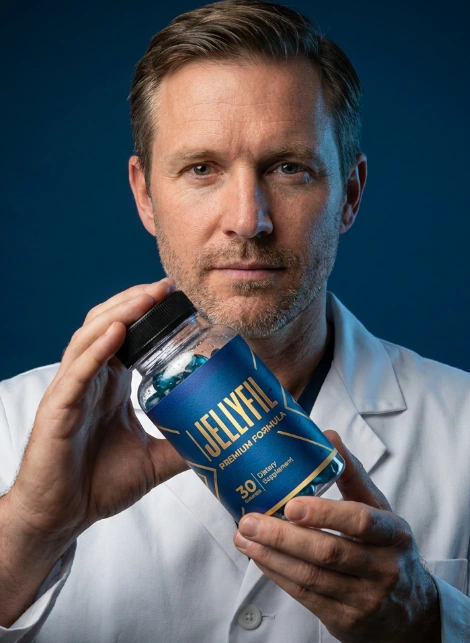
Every page, every journal post, the bottle facts and the ingredients go through review by Dr. Brian Christine, MD before they ship. We write these pages from the JellyFil label and the manufacturer’s own batch paperwork, cite public nutrient references for the ingredients, and print “not published” wherever a figure is not disclosed rather than estimating it. Corrections are made on the page itself and the review date moves forward when that happens — write to [email protected]. Last reviewed September 2026 by Dr. Brian Christine, MD.
A label worth reading twice.
We would rather you ran these checks on us and ordered with your eyes open than bought on a number you could not verify.
$294 — six bottles at $49 each
Order JellyFil On The Official WebsiteFree US shipping · 60-day money-back guarantee · no subscription · batch JF-26/E-2219